Tick Bite Tips Every Chicago Family Should Know
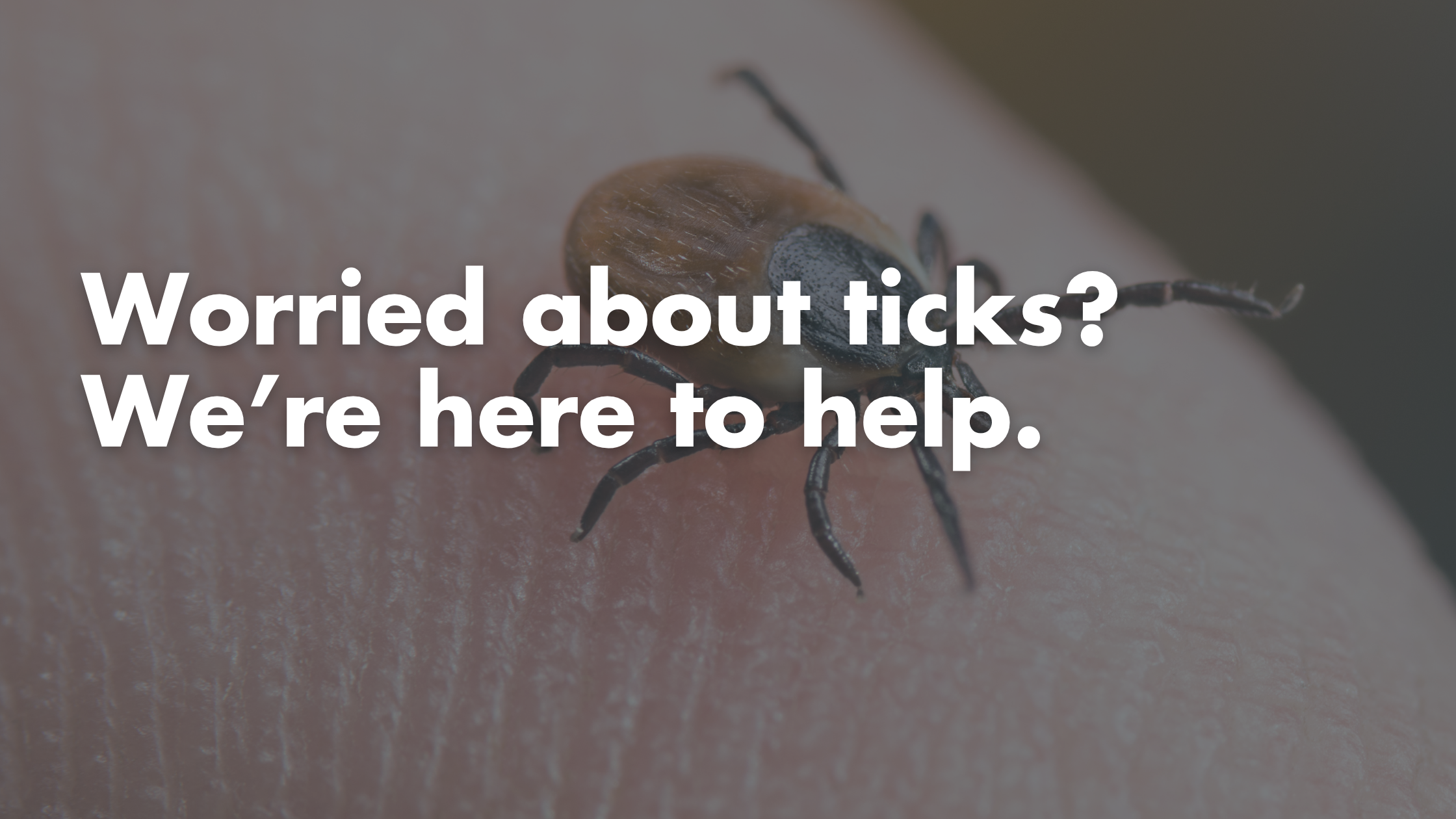
What every Chicagoan needs to know about tick bites, Lyme disease, and when to seek care.
If you’ve been spending more time outside this spring, it’s time to add one more item to your outdoor checklist: checking for ticks.
2026 is shaping up to be a big tick year in Illinois. According to a recent NBC Chicago report, tick activity is running higher than usual for this time of year, and experts are raising alarms about what that could mean for Lyme disease rates and other tick-borne illnesses across the region.
We know that’s not exactly fun news heading into summer. But the good news? A little awareness goes a long way. Here’s what you need to know to protect yourself and your family.
Your Tick Prevention Playbook: Practical Tips That Actually Work
Preventing a tick bite is much easier than treating a tick-borne illness. Here’s how to stay protected this season:
- Wear light-colored clothing — long sleeves and pants tucked into socks make it easier to spot ticks and harder for them to find skin.
- Use EPA-registered repellents — products containing DEET, picaridin, or permethrin (applied to clothing, not skin) are highly effective.
- Do full-body tick checks — check every 2–3 hours outdoors, and again when you come inside. Pay extra attention to the hairline, behind the ears, armpits, behind the knees, and the groin.
- Stick to the center of trails — ticks don’t jump or fly. They hang out at the edges of grasses and brush and latch on when brushed against.
- Shower soon after being outdoors — a prompt shower helps remove unattached ticks before they can bite.
- Check your pets — dogs and cats can carry ticks inside, putting your whole household at risk.
If You Find a Tick: What To Do (and What Not To Do)
Finding a tick doesn’t mean you’ll get sick — but how you respond matters. Here’s the right approach:
- Use fine-tipped tweezers — grasp the tick as close to the skin as possible.
- Pull upward with steady, even pressure — don’t twist or jerk. Avoid folk remedies like petroleum jelly or heat — these don’t work and may increase infection risk.
- Clean the bite area — use rubbing alcohol or soap and water after removal.
- Save the tick if possible — if the tick has been attached for more than 24 hours, place it in isopropyl alcohol and contact the health department. IDPH can identify the tick species, which helps your provider assess your risk for disease transmission.
After removing a tick, watch for the following symptoms in the days and weeks that follow:
- A “bull’s-eye” rash (erythema migrans) — a hallmark sign of Lyme disease
- Fever, chills, fatigue, or muscle aches
- Headache, neck stiffness, or joint pain
- Vomiting or weakness (potential signs of Powassan virus)
Not Sure? We’re Here to Help — Walk Right In
Tick removal sounds simple, but it’s easy to feel unsure in the moment — especially if the tick is in a hard-to-reach spot, or if you’re worried about whether it was attached long enough to transmit disease.
That’s exactly what our urgent care team is here for.
At Innovative Care, we see patients seven days a week with no appointment necessary. Whether you need help safely removing a tick, want a bite assessed, or are experiencing early symptoms and need testing or treatment — we’ve got you covered. We treat children (ages 6 months and up) and adults.
We also carry commonly prescribed medications on-site — including antibiotics like doxycycline, which is a first-line treatment for Lyme disease when caught early — so you can get your prescription and head home without an extra stop. Walk in or schedule online →
When Should I Go to Urgent Care vs. the ER?
For most tick concerns, urgent care is the right call. Come see us if:
- You found a tick and aren’t sure how long it was attached
- You need help with tick removal
- You’ve developed a rash, fever, or flu-like symptoms in the past few weeks
- You want a physician’s assessment for peace of mind
Head to the emergency room if you’re experiencing severe neurological symptoms, difficulty breathing, a rapidly worsening rash, or any symptoms that feel like a medical emergency.
The Bottom Line
Tick season in Chicago is real, it’s here earlier than expected, and this year’s data gives us good reason to be proactive. The best defense is a combination of prevention, regular tick checks, and knowing who to call when you need help.
You don’t have to navigate this alone. Innovative Care’s team of board-certified providers is here for your family all season long — no appointment needed, seven days a week.
→ Schedule an urgent care visit online | Walk-ins always welcome at 2400 N. Ashland Ave, Chicago, IL 60614