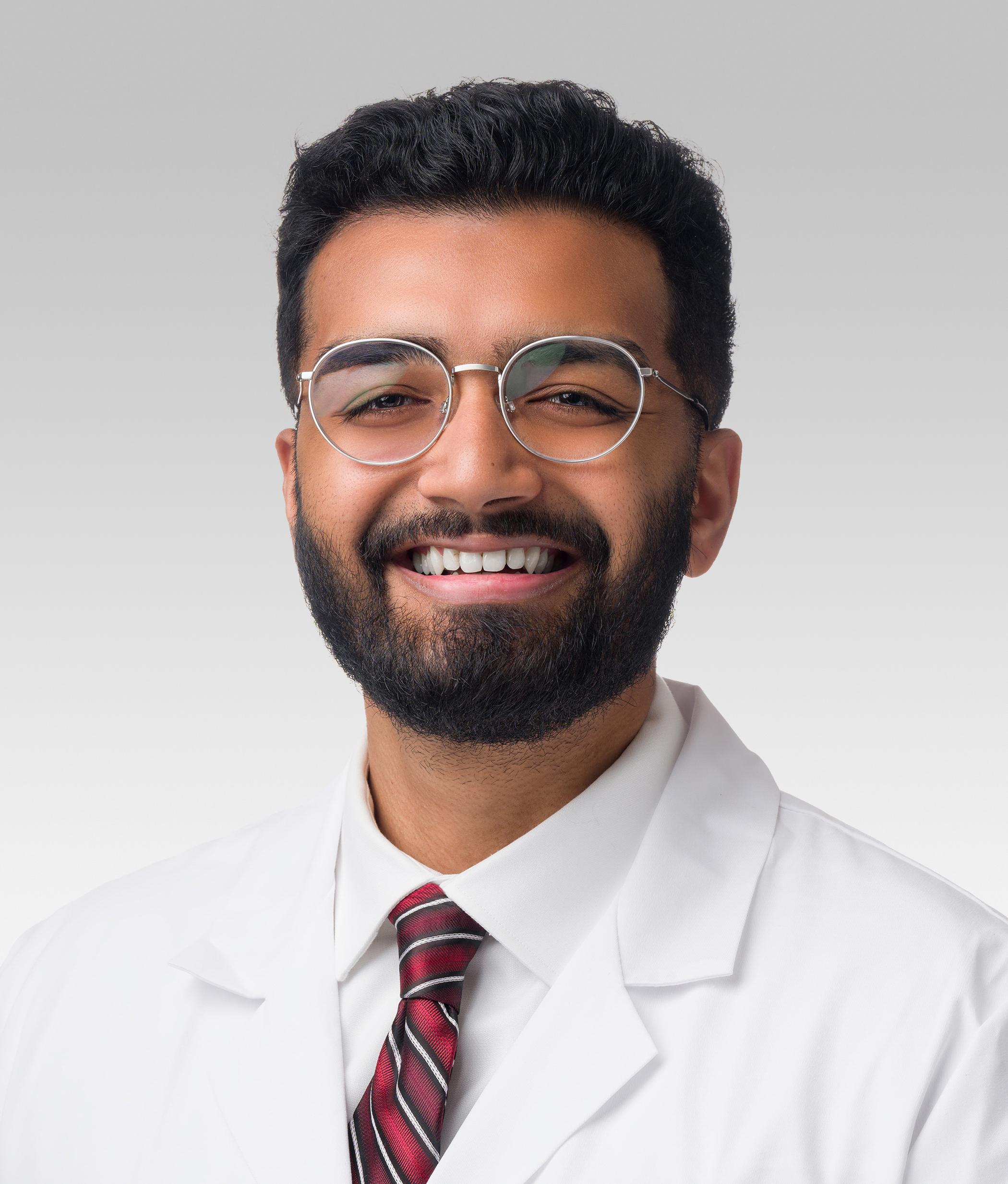
Nithin Charlly, MD
GET TO KNOW DR CHARLLY
What inspired you to pursue a career in medicine?
I grew up with Malayali origins across Japan and the United States, which meant I spent a lot of time as an outsider observing how differently people experience health, access, and care. That curiosity stuck throughout my life. I studied global health and biology at UW-Madison, did research at the NIH, and spent a short stint at Apple before medical school. Each of those experiences made me more interested in how systems work and where they break down. Medicine felt like a place where the answer to that question actually mattered.
What is your approach to patient care?
I try to make every visit useful. That means being direct. Giving patients a clear picture of what’s going on, what we’re going to do about it, and why. I ask a lot of questions, and I try to make sure patients leave with a plan they actually understand and can follow through on.
What areas are you most passionate about?
Preventive care and catching things early — before they become harder problems. I have a particular interest in South Asian health, especially cardiovascular and metabolic risk, which tends to be underrecognized and undertreated in that community. I’m also deeply interested in how technology and AI are changing primary care as tools that can genuinely improve how we practice and how patients experience care.
How do you want patients to feel after they see you?
Like their time was worth it. I want them to feel like someone actually listened, that their concerns were taken seriously, and that they’re leaving with something actionable — not just reassurance or a referral and a follow-up in six months.
How do you stay current and continue learning?
Reading, conferences, and staying close to the people building things at the intersection of medicine and technology. During residency I co-developed the program’s first clinical informatics elective, which pushed me to think more systematically about how digital tools get integrated into practice. That work still shapes how I approach innovation now.
What is one thing people would be surprised to learn about you?
I like taking photos. I currently mostly shoot on a Fuji X100VI and have spent a lot of time thinking about how light and composition interact to tell a story. There’s more overlap with medicine than you’d think. Both require slowing down, paying attention, and noticing what’s actually in front of you.
If you weren’t in medicine, what would you be doing?
Probably something at the edge of technology, medicine and design — building products, thinking about systems, figuring out how to make complex things more intuitive.